

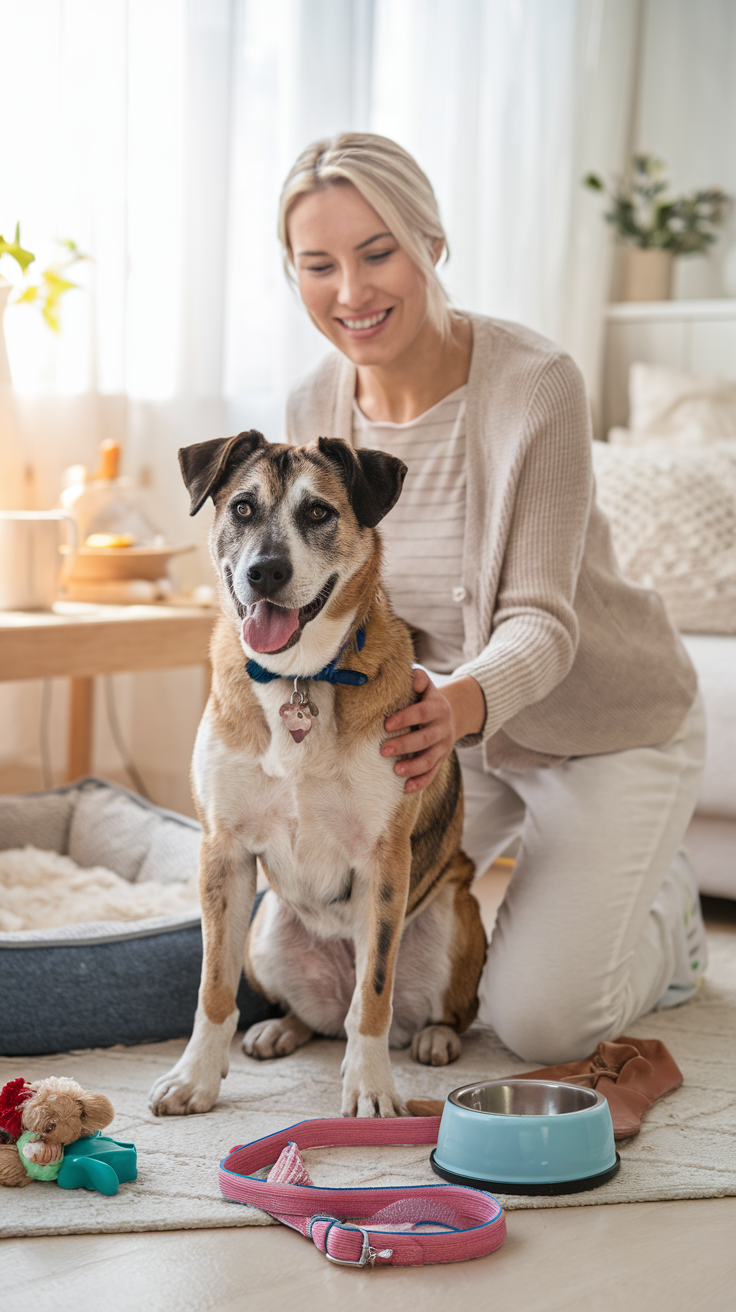
How to Navigate the First 30 Days With Your Rescue Dog
First 30 Days With Your Rescue Dog
So, you just brought home a rescue dog—congrats, dog hero! Whether you’re a first-time adopter or a seasoned fur-parent, the first 30 days are a wild, wonderful ride. There might be tears (yours and theirs), zoomies at midnight, and a suspicious amount of chewed furniture legs. But trust me, it’s all part of the magic.
This guide is your go-to for making those first few weeks not just manageable, but meaningful. Let’s talk routines, bonding, and surviving the oh-so-messy middle with your sanity—and slippers—intact.
The Welcome Wagon: Set Expectations Low, Love High
Let’s keep it real. Your dog has just been through a lot. Shelter life? Maybe. Multiple homes? Possibly. Emotional baggage? Definitely.
What they need now is:
- A quiet space
- Predictability
- Lots of snacks (this will be a recurring theme)
Keep their world small at first. One or two rooms. Let them sniff, snooze, and survey their new kingdom. And don’t sweat it if they hide under the couch or give you side-eye for a few days. That’s just them recalibrating.
Pro tip: Resist the urge to invite everyone you know over to “meet the new baby.” This is not the time for a meet-and-greet.
Create a Cozy Den (Crate Included—Yes, Really)
Crates get a bad rap, but when used right, they’re doggy gold. Think of it as a safe, quiet retreat, not a punishment zone.
Here’s what to include:
- A soft, washable bed
- A favorite toy (or one you hope becomes a favorite)
- A peanut-butter-stuffed Kong for enrichment
Leave the door open at first and toss treats inside to build positive vibes. Want bonus points? Feed meals in the crate for built-in crate love.
Affiliate idea: Link to calming beds, white noise machines, or that snuggly donut bed everyone raves about on TikTok.
Routines Are Your Best Friend (Other Than Your Dog)
Rescue dogs crave consistency like we crave coffee. Routines help them feel safe—and help you not lose your mind.
Try this schedule:
- 7 AM: Potty, breakfast, gentle walk
- Noon: Potty, play or puzzle toy
- 5 PM: Dinner, mellow walk
- 9 PM: Final potty, snuggles, wind-down
Keep things in the same order every day. Same potty spot. Same mealtimes. Same sleepy-time cues. It’s the dog equivalent of putting on fuzzy socks and watching your favorite show.
Slow Motion Socializing: The World Can Wait
I know, you’re excited to show off your new buddy. But now’s not the time for Target runs or dog park cameos. For the first couple weeks, your dog needs a “low-stimulation diet.”
Stick with:
- Quiet neighborhood walks
- One new visitor at a time
- Keeping greetings low-key (no squeals, please)
If your dog’s tail is tucked, eyes wide, or they’re hiding behind your legs—pull back. You’ve got months (and years!) to show them the world.
Leash Walking: Baby Steps, Not Boot Camp
If your pup pulls like a sled dog or pancakes on the sidewalk, welcome to the club. Leash skills take time—and a lot of treats.
Start here:
- Practice indoors first with the leash dragging.
- Reward eye contact and calm behavior.
- Keep walks short and sweet (10 minutes is fine!).
Affiliate opportunity: Link to no-pull harnesses, training pouches, and super smelly treats (the stinkier, the better).
Training Time: Sit Happens (Eventually)
You don’t need a perfect dog—you need a dog who trusts you. So start small with training:
- Sit
- Touch (great for engagement)
- Name recognition
- Eye contact
Keep sessions short (5–10 mins max), use high-value rewards, and end on a high note. No need to channel Cesar Millan. Your energy matters more than your “alpha” status.
Behavior Bumps: Expect the Unexpected
Barking at the vacuum? Guarding the food bowl? Rolling over in fear when you reach for the leash?
Yep. Totally normal in the rescue world.
Instead of punishment (please no squirt bottles), try:
- Tracking triggers in a journal
- Giving space and time
- Reaching out to a force-free trainer for help
This is the part where you get to be their safe place. And trust me, that bond? It’s worth every chewed sock.
Tiny Wins Are Huge Wins
You know what counts as progress?
- Coming out from under the bed
- Making eye contact
- Tail wags (even the nervous kind)
Celebrate the heck out of these. Dogs don’t learn in a straight line. There will be weird days. Step backs. Random freakouts. Totally normal.
Take a photo journal. Write down the milestones. One day you’ll look back and say, “Wow. We did that.”
When to Call in Backup
If things feel really off—aggression, nonstop pacing, no progress after several weeks—don’t panic. But do get support.
Helpful pros:
- Positive-reinforcement trainers
- Behaviorists (vet-referred)
- Vet checks for underlying issues
Asking for help doesn’t mean you failed. It means you care enough to get it right.
Must-Have Supply Checklist
Don’t overcomplicate it. Start with the basics:
- Food & water bowls (non-skid, please)
- Crate or playpen
- Leash, collar, harness (consider front-clip)
- Treat pouch and training goodies
- Enrichment toys (Kongs, snuffle mats)
- ID tag and microchip (if not already done)
Affiliate goldmine: This section is prime real estate for Amazon links, Chewy bundles, or your favorite dog gear brands.
Food, Sleep, and Poop (The Holy Trinity)
Feeding: Stick to what they were eating in the shelter for the first few days. Slowly transition over 5–7 days. Add pumpkin if tummies are grumbly.
Sleep: Expect 12–16 hours a day. More if they’re decompressing hard. Let ‘em rest!
Potty: Be patient. Praise like you just won the lottery every time they go outside.
Your Support Squad
Join online groups where you can share the good, the bad, and the totally bizarre:
- Reddit’s r/dogtraining
- Fear Free Happy Homes
- Your local rescue group’s alumni page
Spoiler: You’re not the only one googling “why does my dog stare at the wall?”
First 30 Days With Your Rescue Dog
You made it. Thirty days of learning, loving, and maybe a little howling at 2 AM. Your rescue dog might not fully trust you yet—but they’re watching. Noticing. Healing.
Every day you show up, you become their person. And before long, they’ll show you who they were always meant to be.
Internal Links to Add (once content is created):
- Preparing Your Home for a Rescue Dog
- Must-Have Supplies for Rescue Dogs
- Creating a Daily Routine
- Adoption Process Tips
External Links to Add:
FAQs
How long before my rescue dog settles in?
Usually, the first 3 days are for decompression, 3 weeks to learn the routine, and 3 months to feel home. Be patient—it’s worth it.
Is it normal to feel overwhelmed?
Absolutely. New beginnings are hard for everyone. Lean on your community (and this blog!).
What if they won’t eat or sleep?
Give it time, offer high-value food, and create quiet spaces. If they’re skipping multiple meals or showing signs of distress, check with your vet.
When should I introduce them to other pets or people?
Wait at least two weeks. Let them settle first. Then introduce slowly and positively.
What’s the best advice for a first-time rescue dog parent?
Lower your expectations. Raise your empathy. And stock up on treats.
Q: What is the 3-3-3 Rule for rescue dogs? A: The 3-3-3 Rule explains the adjustment period: 3 days to decompress, 3 weeks to start to settle in, and 3 months to feel at home.
Q: Should I start training my rescue dog right away? A: Not in the first few days. Let your dog decompress first. Gentle training can begin during the second week.
Q: Is it normal if my rescue dog won’t eat at first? A: Yes. Many dogs experience stress-related appetite loss. Offer high-value treats and consult a vet if it lasts more than a few days.
Q: When will my rescue dog start acting like themselves? A: You’ll start to see their personality by the third or fourth week. Full adjustment can take up to three months or more.
Q: What if things don’t improve after the first month? A: Reach out to a positive-reinforcement trainer or your vet. Rescue dogs sometimes need extra support to overcome past trauma.
Rescue. Love. Thrive.
